

Curious minds · 5 min read
Why Is the Sky Blue? A Simple, True Answer for Kids
Sunlight is made of all the colors, and the air scatters blue light the most. Why the sky is blue and sunsets are orange, explained simply for kids aged 4 to 8, with a flashlight experiment.
From the back seat of the car: “Why is the sky blue?” It’s one of the most famous questions children ask, and one of the most famous questions grown-ups can’t quite answer. You mumble something about the ocean and change the subject.
You’re not alone. “Because it reflects the ocean” is a common guess. It isn’t true, but the real answer is simple enough for a five-year-old, and you can show it with a glass of water tonight.
In one minute
- Sunlight looks white, but it’s made of all the colors of the rainbow mixed together.
- When sunlight passes through the air, the tiny bits of air bounce blue light around much more than red or yellow light.
- That bounced blue light comes at us from every part of the sky, so the whole sky looks blue.
What’s going on
You can see that sunlight holds many colors when it shines through raindrops or a glass of water and makes a rainbow. Each color travels as a different kind of wave. Blue light has short, choppy waves; red light has long, lazy ones.
The air is full of tiny molecules, far too small to see. They bump the short blue waves off in every direction, a bit like a pinball, while the longer red and yellow waves mostly pass straight through. So when we look up, blue light reaches our eyes from everywhere.
At sunset, sunlight travels through much more air to reach us. By the time it arrives, most of the blue has been bounced away, and the reds, oranges and pinks are left. That’s why sunsets glow. And in space, where there’s almost no air, the sky looks black.
Two bonus answers for big kids. Violet light bounces even more than blue, but sunlight has less violet in it and our eyes are better at seeing blue, so the sky looks blue. And clouds are white because their drops are much bigger than air molecules and bounce all the colors about the same.
Before you explain, ask your child what they think. Young children often guess that someone painted the sky, or that it’s blue because it’s happy. That kind of thinking is typical around 3 to 6, and it’s a great starting point: “Let’s test it.”
Try today
- Make a sunset in a glass. Fill a clear glass with water and stir in a few drops of milk. In a dark room, shine a flashlight through the side. From the side, the water looks a little blue; looking through the glass toward the flashlight, the light looks orange. That’s the sky and the sunset. Add a few more drops, and the “sunset” gets deeper.
- Find a rainbow. On a sunny day, spray a fine mist from a hose with the Sun behind you, or look for rainbows from a glass of water on a sunny windowsill.
- Watch the sky change. Look at the sky in the morning, at lunch and at sunset, and talk about the colors you see. Let your child draw the three skies side by side.
What to say
The short answer:
“Sunlight has all the colors inside. The air bounces the blue light all over the sky, so blue is what we see.”
About sunsets:
“In the evening, the light travels through more air. The blue gets bounced away, and the orange and red are left.”
When you’re not sure:
“Great question. What do you think? Let’s find out together.”
What to avoid
- “Because it reflects the ocean.” The sky is blue far away from any sea, too.
- Too much at once. For a four-year-old, “the air bounces the blue light” is plenty.
- Correcting every wild idea. Ask “How could we check?” first. Testing a theory teaches more than being told.
- Looking at the Sun. Never look straight at the Sun, even to see colors. It can hurt the eyes.
When to get help
You don’t need a doctor for this one. If your child keeps asking more than you can answer, a children’s science book, a planetarium or a science museum is a wonderful next step.
Read together
A Long Day is about another question the sky can answer. Whyia notices that a month ago it was dark when her dad walked her home from music class, and now it’s sunny. She turns into a tree and asks the wise old tree near her school. The tree explains that the Earth tilts as it travels around the Sun, so in spring and summer the days grow longer and the nights shorter. “It’s important always to ask questions and learn new things,” the tree tells her. (The tree says the Sun is “closer” in spring. The real reason is the lean: our half of the Earth tips toward the Sun.)
After reading, go outside together at sunset and watch the sky turn from blue to orange. Note the time the Sun sets, then check again in a few weeks, the way Whyia noticed. Then let your child be the wise old tree and explain it back to you.
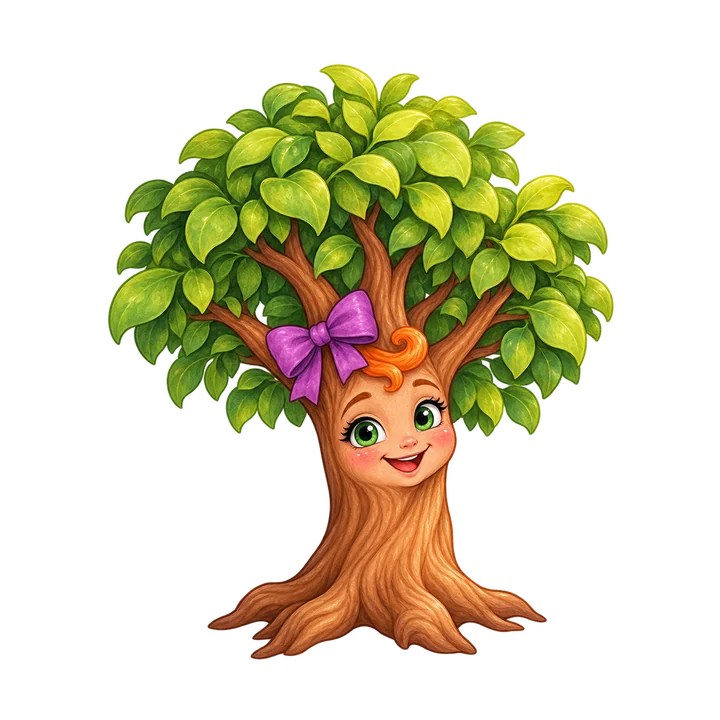
Ask after reading “A Long Day”
- Whyia noticed that the days were getting longer. What did the old tree tell her about the Sun?
- What color is the sky right now? Let's look at it in the morning, at lunch and at sunset.
- The old tree said it's important to ask questions. What's a question you'd like to find the answer to?
Also helpful: A Rainy Adventure, A Winter Adventure